
Furniture Delivery in Toronto Winter: What You Need to Know
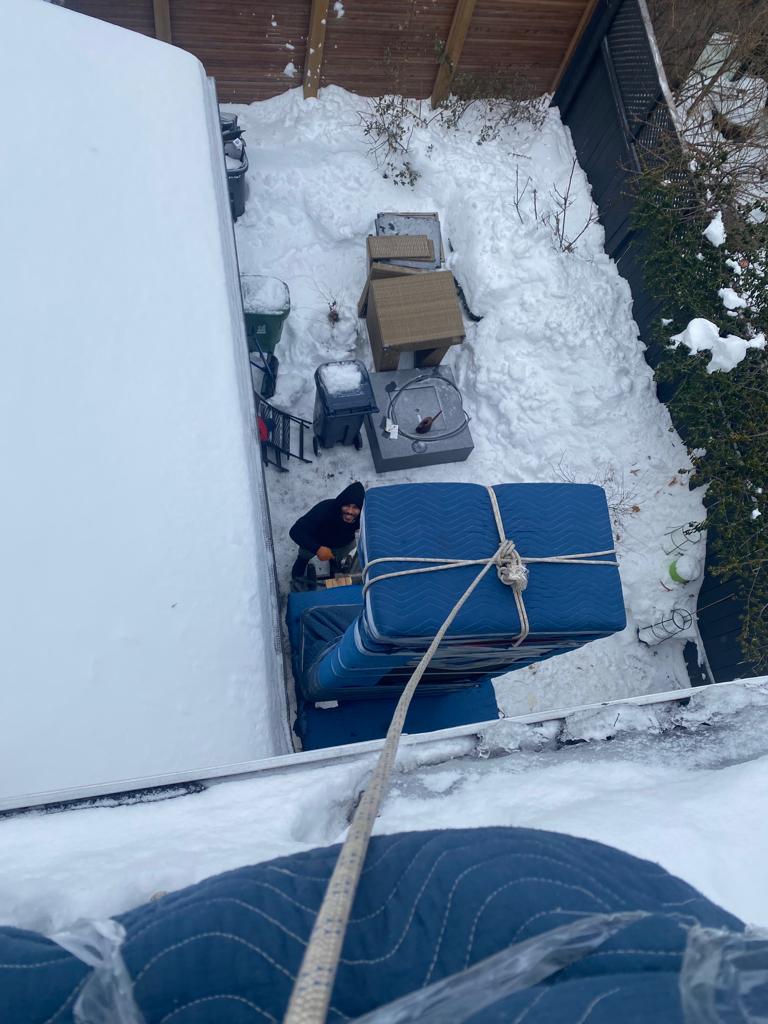
Toronto winters are not a footnote — they're a serious operational variable. Between November and March, delivery teams across the GTA face freezing temperatures, ice-covered walkways, snowstorms that arrive without notice, and buildings that restrict deliveries during extreme weather events. For anyone expecting a furniture delivery during those months, knowing how professional providers handle winter conditions can make the difference between a smooth installation and a costly disaster.
Why Winter Furniture Delivery in Toronto Is a Different Job Entirely
Most people booking a furniture delivery in Toronto during the winter months are thinking about the piece itself — the sofa, the dining table, the office workstation — and not much about what it takes to get it there safely. That's understandable. But for the delivery team, the conditions outside fundamentally change how the job gets done.
A professional furniture installation team operating in the GTA during winter is managing several layers of risk simultaneously: protecting the furniture from cold, moisture, and condensation during transit; navigating icy paths, sloped driveways, and snow-covered steps without slipping or dropping a piece; working within the time constraints imposed by buildings that restrict freight elevator use or deliveries during snowstorms; and keeping the interior of a client's home or office clean and undamaged when boots are wet and pathways are salt-covered.
Each of these challenges is manageable — but only if the company has thought through its winter protocols in advance. The question to ask before you book any furniture delivery service in Toronto between November and March is simple: what's your winter process?
The Real Risks: What Goes Wrong Without Proper Preparation
Let's be specific about what "going wrong" actually looks like in winter furniture delivery scenarios, because vague reassurances about being "experienced" aren't enough.
Moisture damage. When a piece of furniture — especially upholstered items, solid wood, or anything with veneer — is moved from a cold truck into a warm interior too quickly, condensation forms. If the team doesn't allow for proper acclimatisation or uses inadequate protective wrapping, the result can be warping, swelling, or water marks on high-value pieces. For interior designers who have spent weeks sourcing the perfect custom chair or vintage sideboard, this isn't a minor inconvenience.
Slip and drop incidents. Carrying heavy furniture across icy walkways, up snow-covered exterior stairs, or through building lobbies with wet floors is genuinely dangerous. A team without proper winter footwear, moving equipment suited to slick surfaces, and clear protocols for when conditions are too dangerous to proceed is a liability — for themselves and for your property.
Floor and wall damage. Wet boots and salt residue tracked through a freshly installed home or a corporate office create damage that's disproportionate to the delivery itself. A professional team working in winter uses floor runners, protective coverings, boot covers or shoe changes at the door, and takes extra care around transitions between hard flooring and carpet.
Building access delays and missed windows. Many condo buildings and commercial properties in Toronto restrict freight elevator bookings during extreme weather events or when road conditions trigger building management decisions. A delivery company that hasn't factored this into its scheduling — or doesn't have a clear rescheduling protocol — leaves clients in a frustrating position when a window gets cancelled last-minute.
What a Professional Winter Delivery Looks Like
Grey Peacock has been delivering and installing furniture across Toronto and the GTA year-round for over eight years. Winter deliveries are part of the job, not an exception to it. Here's what our approach looks like in practice.
Pre-delivery weather planning. Before any winter delivery, we check road conditions, building access requirements, and the forecast for the delivery window. If conditions are genuinely dangerous — black ice, a major snowstorm in progress — we communicate proactively with clients and coordinate rescheduling before the day of, not on the doorstep.
Protective wrapping adapted for cold and moisture. All pieces are wrapped with materials suited to cold-weather transit. Upholstered furniture gets additional moisture protection. Wood pieces are handled with awareness of temperature differentials between the truck and the destination.
Interior protection as standard. Floor runners go down before the team enters with any furniture. Boot covers or a clean change at the door are standard in residential settings. In corporate and institutional installations, we coordinate with facilities teams to ensure pathways are protected throughout the job.
Equipment suited to winter conditions. This means hand trucks and dollies with appropriate wheels for uneven, potentially icy exterior surfaces, proper grip footwear for the team, and moving blankets that don't stiffen in the cold.
Clear communication throughout. Clients receive confirmation the evening before with any weather-related notes. If conditions change on the day, we call — we don't leave people guessing.
What Interior Designers and Business Clients Should Ask
If you're coordinating a furniture delivery in Toronto between November and March — whether you're an interior designer managing a client's installation, a business moving into a new office, or a retailer arranging last-mile delivery for a customer — here are the specific questions worth asking any provider:
- What's your protocol when weather conditions deteriorate on the day of delivery?
- How do you protect furniture from moisture during cold-weather transit?
- What floor and interior protection do you use as standard in winter?
- Have you worked in this building before, and are you familiar with its freight access restrictions?
- What's your rescheduling process if a building access window is cancelled due to weather?
A company that can answer these questions clearly and specifically — without generic reassurances — is a company that has actually thought through its winter operations. One that deflects or gives vague answers probably hasn't.
Planning Your Winter Delivery: Practical Tips
Beyond choosing the right delivery partner, there are a few things clients can do on their end to make winter furniture delivery in Toronto smoother.
Book early and build in buffer time. Winter schedules tighten quickly as weather events cause rescheduling across multiple bookings. If you have a hard deadline — a client move-in date, an office opening — book your delivery well in advance and ask your provider what their rescheduling policy looks like if weather intervenes.
Confirm building access requirements in advance. If the delivery is going to a condo or a commercial building, confirm freight elevator availability and any weather-related restrictions with building management before the delivery date. Pass this information to your delivery team.
Prepare the interior path. Clear the route from the entrance to the placement location. In a home, this means removing obstacles and, if you're protective of your flooring, laying down your own runners in addition to what the delivery team brings.
Communicate any concerns about specific pieces. If a piece is particularly sensitive to temperature changes — an antique, a piece with a delicate finish, or a large upholstered item — flag this with your delivery team when you book. A good team will adapt their approach accordingly.
The Bottom Line on Winter Furniture Delivery in the GTA
Toronto winters don't have to mean delays, damage, or stress. They do mean that the choice of delivery and installation partner matters more than it does in June. A company with genuine cold-weather experience, clear protocols, and proactive communication will get your furniture delivered safely, on time, and with your property exactly as they found it — regardless of what's happening outside.
At Grey Peacock, we've handled winter deliveries in every type of building across Toronto and the Greater Toronto Area — from downtown condo towers to suburban homes to large institutional spaces. We know what these jobs require, and we've built our operations around doing them well.